


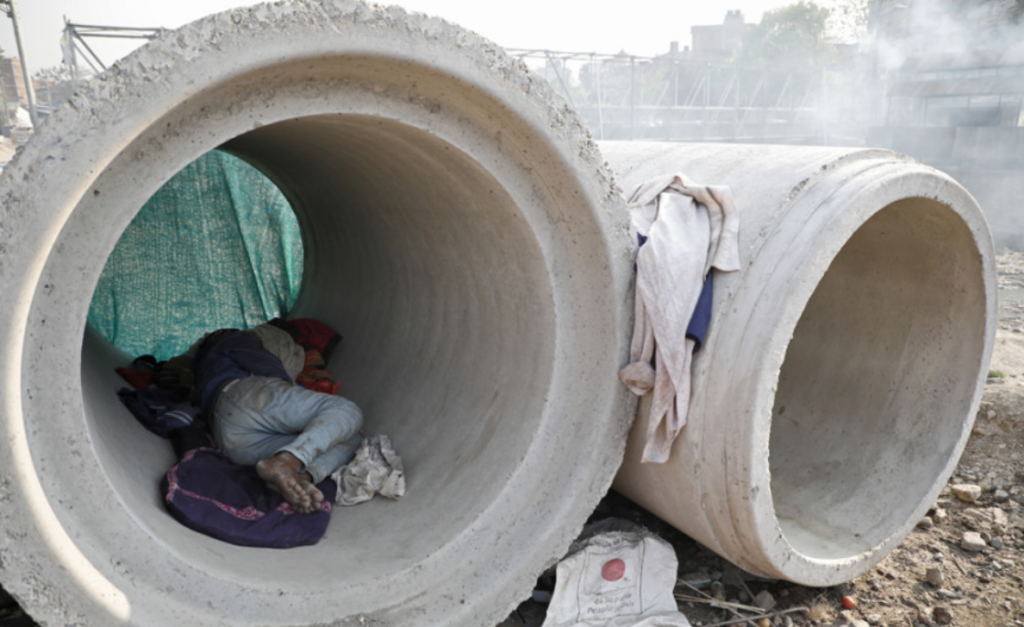
Kathmandu: A new report by Amnesty International Nepal has exposed widespread human rights violations resulting from forced evictions, affecting hundreds of people across Nepal. Titled “Nowhere to Go: Forced Evictions in Nepal”, the report highlights the state’s failure to enforce the Right to Housing Act-2018, disproportionately impacting Dalits, Indigenous Peoples, and other marginalised communities.
The report underscores the lack of a regulatory framework, disregard for constitutional protections, and failure by authorities to follow due process, including community consultation, proper notice, and adequate compensation. Evictions documented between 2020 and 2024 across Kathmandu, Siraha, Sunsari, Jhapa, and Kailali were described as inhumane, with some carried out through extreme means, such as burning down homes and using elephants.
Despite legal safeguards under the Right to Housing Act 2018 and Lands Act 1964, authorities have failed to follow proper procedures. In one instance, homes in Chitwan National Park were destroyed without warning or legal compliance. Victims reported being evicted without time to collect personal belongings, including children’s books and medicine, and were left with no shelter or basic necessities.
Amnesty also found that resettlement and compensation efforts were rare or inadequate, and in some cases, victims were arrested under false pretenses. The lack of coordination between federal and local governments, and the failure to harmonize conflicting laws, have further exacerbated the crisis.
“This is more than a human rights violation it’s a crime by the state,” said senior advocate Raju Chapagain, pointing to the systemic neglect of legal protections for Nepal’s most vulnerable.
Nirajan Thapaliya, Director at Amnesty International Nepal, called on authorities to immediately end forced evictions, establish an effective regulatory framework, and uphold the right to adequate housing, stressing that continued inaction will only worsen the crisis.
The report also criticizes the limited role of oversight bodies like the National Human Rights Commission, urging stronger independent investigations and monitoring mechanisms.



प्रतिक्रिया दिनुहोस्